Why SEO Is Important In Business? A Comprehensive Guide

Why SEO Is Important In Business?

April 16, 2019

In today’s digital world, simply having a website is not enough—you need to make sure people can actually find it. That’s where Search Engine Optimization (SEO) comes in. SEO is the process of enhancing your online content so that search engines like Google rank it higher in search results. But why is SEO so essential to your business success? Let’s break down its importance and uncover practical steps to help you get started. 

SEO is essential because most online journeys start with a search engine. If your business does not appear on the first page of results, potential customers may never even know you exist—opting instead for competitors who are easier to find. A well-executed SEO strategy not only drives more traffic to your website but also attracts the right audience—people who are already searching for the products or services you offer. This makes SEO one of the most cost-effective and sustainable marketing approaches available today.

The Power of Organic Search 

SEO is the backbone of organic search traffic, which makes up more than 53% of all website visits. Unlike paid ads that disappear the moment you stop funding them, SEO creates lasting visibility and authority for your business. By consistently optimizing your website and content, you’re building a foundation that continues to attract potential customers over time—without relying solely on advertising spend. This makes SEO not just a marketing tactic, but a sustainable growth strategy that pays dividends well into the future. 

When potential customers search for products or services you offer, appearing on the first page of Google can be the difference between gaining a customer and losing them to a competitor. Research shows that the first five organic results account for 67% of all clicks, with the first position alone capturing nearly 28% of clicks. 

Example: A local bakery in Seattle that implements SEO by optimizing for keywords like “artisan bread Seattle” or “best cupcakes near me” can attract customers actively searching for their products, resulting in higher conversion rates compared to traditional advertising. 


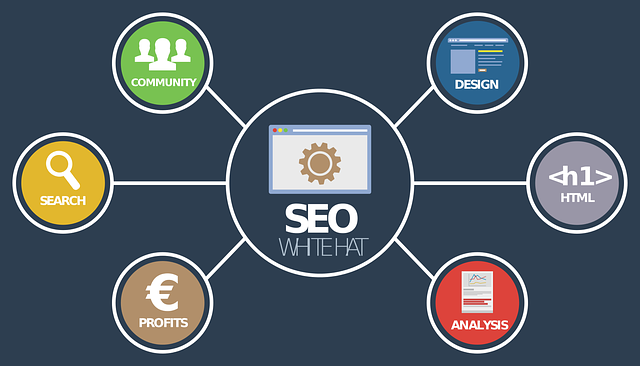
Diagram illustrating an SEO strategy tailored for small businesses, featuring keywords, content, and analytics components.

Cost-Effective Marketing Strategy

SEO generates a much stronger return on investment (ROI) compared to traditional advertising methods. Unlike pay-per-click (PPC) campaigns that demand ongoing spending to maintain visibility, SEO works as a long-term asset for your business. Once your website earns higher rankings through optimized content, backlinks, and technical improvements, it can continue to attract traffic and generate leads without the constant drain of advertising costs. In other words, while PPC provides instant but temporary visibility, SEO establishes a sustainable presence that continues to deliver results month after month, often at a fraction of the cost in the long run.  

Example: A small e-commerce store selling handmade jewelry might spend $5,000 monthly on Google Ads. By investing that same amount into a comprehensive SEO strategy over six months, they can build organic rankings that generate consistent traffic without ongoing ad spend, potentially saving thousands annually. 

Building Credibility and Trust

Ranking high in search results signals authority and trustworthiness to potential customers. Users inherently trust Google’s algorithm, so appearing at the top of search results creates instant credibility for your business. 

Example: When someone searches for “best CRM software for small business,” they’re more likely to trust and click on the organic results ranking #1-3 rather than scroll down to paid ads or page two. Companies like HubSpot and Salesforce have built significant brand trust partly through their strong SEO presence. 

SEO Guidelines and Best Practices

keyword Research and best Practices

Start by identifying the keywords your target audience uses to search for your products or services. Use tools like Google Keyword Planner or other SEO platforms to discover high-volume, relevant keywords. 

Implementation: Include your primary keyword in your title tag, meta description, H1 heading, and naturally throughout your content. For a fitness blog, instead of titling an article “Getting Stronger,” use “How to Build Muscle: 10 Proven Strength Training Exercises for Beginners.”

Create High-Quality, Valuable Content

Content is the foundation of SEO. Google’s algorithm prioritizes content that provides genuine value to users, answers their questions comprehensively, and demonstrates expertise. 

Example: Instead of writing a thin 300-word article about “email marketing tips,” create a comprehensive 2,000-word guide covering strategy, best practices, tools, and real case studies. Link to authoritative sources like Mailchimp’s resources or industry research to add credibility. 

Optimize for Mobile Devices 

With over 60% of searches happening on mobile devices, Google uses mobile-first indexing. Your website must be responsive and provide an excellent user experience on smartphones and tablets. 

Quick Check: Use Google’s Mobile-Friendly Test to ensure your site meets mobile optimization standards. 

Improve Page Loading Speed

Page speed is a confirmed ranking factor. Slow-loading pages frustrate users and increase bounce rates, negatively impacting your SEO performance. 

Action Step: Use tools like Google PageSpeed Insights to identify performance issues. Optimize load times by compressing images, reducing code, and enabling browser caching. A one-second delay in page load time can reduce conversions by 7%. 

Build Quality Backlinks

Links from reputable websites indicate to search engines that your content is credible and valuable. Focus on earning natural, do-follow backlinks from relevant, authoritative sites in your industry. 

Example: A digital marketing agency could create an in-depth industry report with original research, then reach out to marketing blogs like Search Engine Journal or Moz Blog to share the findings, earning valuable backlinks when these sites reference the research. 

Optimize Technical SEO

Technical SEO ensures your website is structured in a way that allows search engines to efficiently crawl and index its pages. This includes creating an XML sitemap, implementing structured data markup, fixing broken links, and ensuring proper URL structure. 

Example: An online restaurant directory should implement Local Business schema markup to help Google understand location data, operating hours, and menu information, improving visibility in local search results. 

Focus on User Experience (UX)

Google’s algorithm increasingly prioritizes user experience signals. Clear navigation, intuitive design, engaging content, and easy-to-find information all contribute to better rankings. 

Implementation: Structure your content with descriptive headings (H1, H2, H3), use bullet points for scanability, include relevant images with alt text, and ensure your calls-to-action are prominent. 

Leverage Local SEO

Local SEO is crucial for businesses that cater to specific geographic areas. Optimize your Google Business Profile, encourage customer reviews, and ensure NAP (Name, Address, Phone) consistency across all online listings. 

Example: A dental practice in Austin should create location-specific content like “Teeth Whitening Services in Austin, TX” and maintain active listings on directories like Yelp and local chamber of commerce websites. 

SEO Strategy Framework

Measuring SEO Success 

Track your SEO performance using tools like Google Analytics and Google Search Console. Monitor metrics including: 

  • Organic traffic growth 
  • Keyword rankings 
  • Conversion rates from organic search 
  • Bounce rate and time on page 
  • Backlink quality and quantity 

Example: A SaaS company might track that their blog post about “project management best practices” ranks #3 for their target keyword, generates 2,500 monthly visits, and converts 3% of readers into free trial signups—valuable data for optimizing future content. 

The Long-Term Investment 

SEO isn’t a one-time effort—it requires continuous strategy and refinement. Search engine algorithms constantly evolve, competitors regularly refine their approaches, and user behavior continues to shift. To stay visible and relevant, businesses must treat SEO as a continuous investment in strengthening and maintaining their digital presence. 

By implementing these SEO guidelines and understanding why SEO is crucial for business growth, you’re positioning your company to capture organic traffic, build brand authority, and achieve sustainable growth in an increasingly competitive digital marketplace. 

Start with the basics—keyword research, quality content, and technical optimization—then expand your efforts as you see results. The businesses that invest in SEO today are building the foundation for tomorrow’s success. 


Ads by Google

Ads by Google

Related Articles

1 Comment

  1. Navya

    Many companies have great websites but they do not consider SEO. But actually, without SEO, the websites will not be seen by the visitors. As e-commerce websites are growing, and people find it simpler to make their purchase, they do online transactions too. But for this, your site has to be recognized, reputed and secure. All these aspects are possible only with SEO.

    Reply

Submit a Comment

Your email address will not be published. Required fields are marked *

The Ultimate Managed Hosting Platform

Ads by Google

Ads by Google

Ads by Google


REQUEST WEBSITE PACKAGE

13 + 7 =

REQUEST WEBSITE PACKAGE

7 + 15 =

REQUEST WEBSITE PACKAGE

7 + 7 =